Methods for Increasing the Safety of Existing Elevators
18. January 2023·Technická inšpekcia, a.s.
The article discusses ways to increase the safety of existing elevators, as well as the main differences between elevator modernization and reconstruction.
Existing elevators, especially those installed before the Lift Directive 95/16/EC came into effect in the Slovak Republic (i.e., July 1, 1999), can cause dangerous situations, as the safety level of these elevators is much lower compared to elevators designed and installed according to the latest standards. Currently, Lift Directive 95/16/EC is no longer valid (it was repealed on April 19, 2016) and was replaced by the new Lift Directive 2014/33/EU. In terms of essential health and safety requirements, there has been no significant change when comparing the requirements of both directives. However, several new harmonized standards for elevators have been adopted, the fulfillment of which ensures compliance with the requirements of the Lift Directive. New elevator standards place increasing emphasis on the safety of both passengers and service personnel.
Developments in elevator safety cannot be stopped. Figure 1 below interprets the gradual development in the field of elevator safety. It is clear that the issue of the safety of existing elevators should be addressed by national authorities, which should establish uniform rules for increasing the safety of existing elevators within the country. This is because the Lift Directive 2014/33/EU prescribes essential health and safety requirements for new elevators and not for existing ones.
The only European regulation addressing the safety of existing elevators is Commission Recommendation 95/216/EC of June 8, 1995, concerning the improvement of safety of existing lifts. In addition to this regulation, there is also the European standard EN 81-80, which sets rules for increasing safety in existing elevators intended for the transport of persons or persons and goods. According to this standard, Technická inšpekcia, a.s. performs, upon request, an analysis of the technical condition of existing elevators in terms of potential dangerous situations, evaluating which parts of the elevator pose the greatest potential danger to passengers.
Despite the mentioned documents, there is no valid legal regulation in the Slovak Republic that establishes rules regarding the increase of safety of existing elevators. Each state should identify the weakest points in the safety of existing elevators and adopt appropriate legislation to eliminate them.
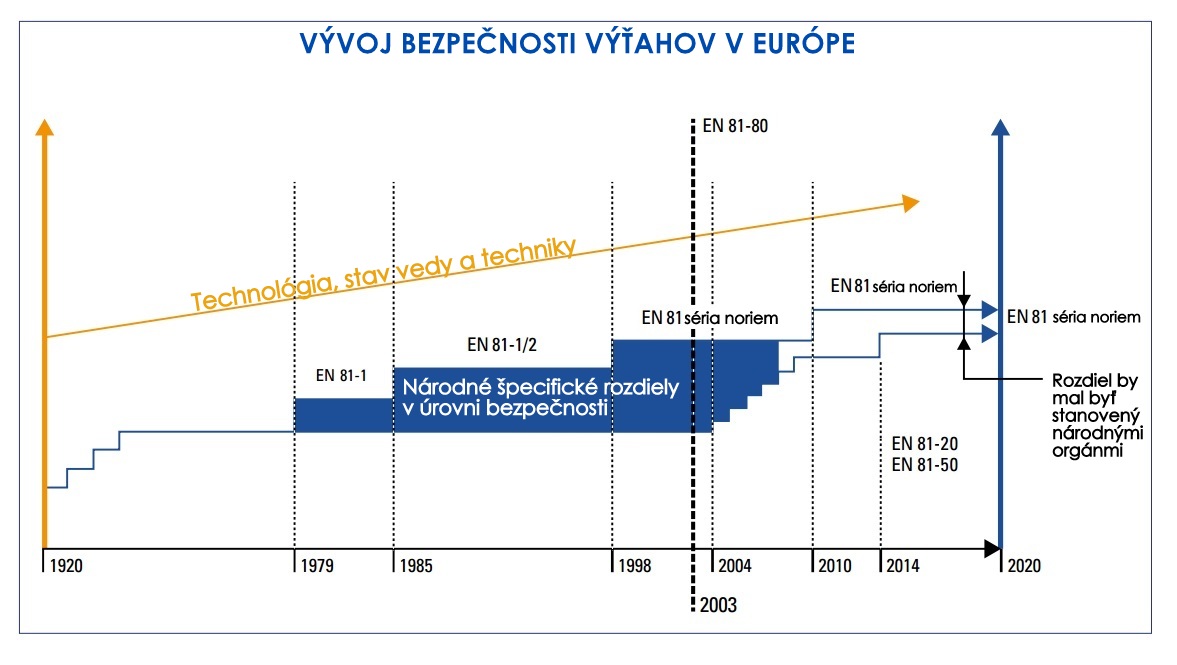
Figure 1: Overview of safety developments in the field of elevators
To make an existing elevator safer and meet new requirements, there are practically the following three options:
It is very important to distinguish which option is involved, because during modernization, a repeated official test in the sense of Decree No. 508/2009 Coll. does not have to be performed. This no longer applies to the reconstruction of an elevator, where, on the contrary, a repeated official test must be performed in the sense of Section 9, Paragraph 2, Letter c) of Decree No. 508/2009 Coll. In the case of a complete replacement of the entire elevator, a conformity assessment is carried out according to the currently valid Lift Directive 2014/33/EU and the latest standards.
In practice, it is common for reconstruction to be confused with modernization. Technická inšpekcia, a.s. has issued internal safety and technical requirements for the modernization and reconstruction of elevators that are permanent parts of buildings and structures. These requirements provide practical guidance for a uniform solution for reconstructions, changes, and modifications of the mentioned elevators. The requirements are based on the Austrian standard ÖNORM B2454: 1994, which was translated and partially adapted based on local conditions.
According to the above documents, the following are considered reconstruction:
The following are considered modernization:
When performing modernization or reconstruction work, during complete replacement of the entire elevator, or during repair and maintenance work on the elevator, several risks are present. Figure 2 below provides a basic overview of the hazards that occur during the above activities in the elevator machine room, in the shaft, and in the pit.
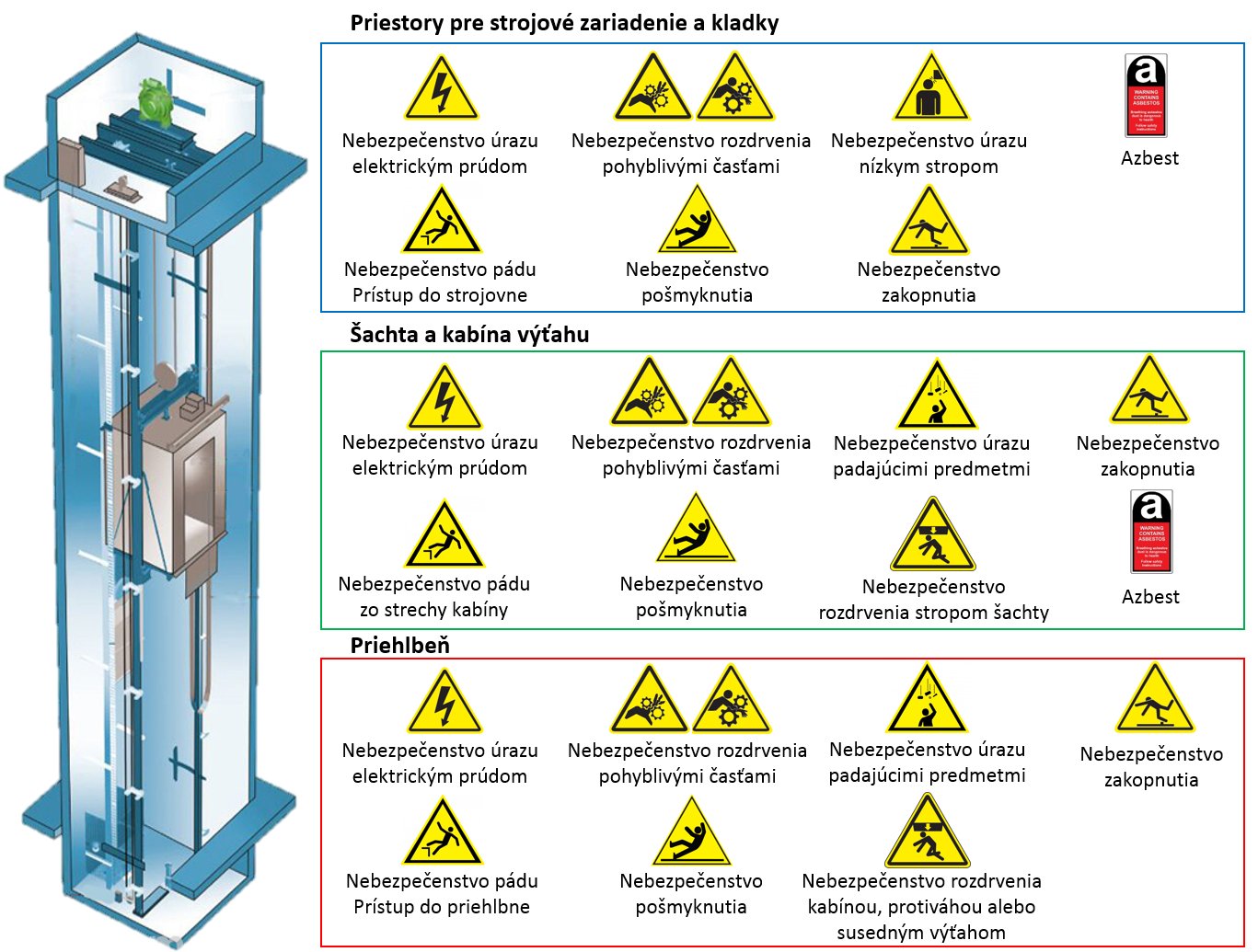
Figure 2: List of hazards present during maintenance, repair, reconstruction, or replacement of an elevator
(source: European Lift Association – Basic Safety Practices for Lifts)
Figure 2 clearly shows that elevator technicians are exposed to several risks that need to be eliminated or reduced to an acceptable level. Some risks can be eliminated or reduced using collective measures; however, in many cases, it involves individual protection in the form of personal protective equipment (PPE). Figure 3 describes the basic PPE used by elevator technicians during specific activities on the elevator. The selection of suitable PPE depends on the activity being performed and the hazards involved.

Figure 3: Overview of elevator technician PPE
(source: European Lift Association – Basic Safety Practices for Lifts)
Despite the increasing safety of elevators, accidents, including fatal ones, still occur today during elevator operation. There is also an increasing emphasis on the safety of procedures when performing specific activities on elevators by elevator technicians. However, we also currently encounter serious injuries during elevator service work. It is necessary to realize that with the development of elevators, new risks also arise, from which elevator technicians must protect themselves in an appropriate manner. The Deming cycle of continuous improvement should also be applied in this area.
In general, it is necessary to realize that an elevator is a technical device which, if it does not meet safety requirements, can create dangerous situations and cause injury to passengers as well as elevator technicians. It should be taken into account that an elevator intended for the transport of persons and goods is considered classified lifting technical equipment, for which special rules are established for its design, construction, manufacture, assembly/disassembly, reconstruction, operation, maintenance, repair, and testing. If regular inspections and adequate maintenance are not performed on the elevator, and identified deficiencies from inspections are not corrected, the continuous safe operation of the elevator cannot be ensured.

 Placing Electrotechnical Products with Voltage Above 1000 V AC and Above 1500...